
7 Website Mistakes That Are Costing Your Startup Signups (And How to Fix Them)

Quick answer
The website mistakes that most often cost startups signups are unclear headlines, hidden pricing, too many calls to action, weak proof, slow assets, poor mobile layouts, and stale content. Fixing clarity and friction usually improves conversion faster than a full redesign.
Key takeaways
Make the main offer clear above the fold.
Give visitors one primary next step.
Treat mobile, proof, and performance as conversion features.
Most startup websites don’t fail because the design is ugly. They fail because of small, fixable friction points that quietly push visitors away before they ever see the product. Here are seven of the most common ones, and what to do about each.
1. The Headline Doesn’t Say What You Actually Do
Clever taglines feel good to write and do almost nothing for conversion. A visitor has a few seconds to understand what your product is, who it’s for, and why they should care. If your headline requires a second read to parse, it’s costing you signups before the page even finishes loading.
Fix: write the boring, clear version first. “Project management for remote design teams” beats a clever line every time, unless the clever line is also instantly clear.
2. Pricing Is Hidden Behind a Sales Call
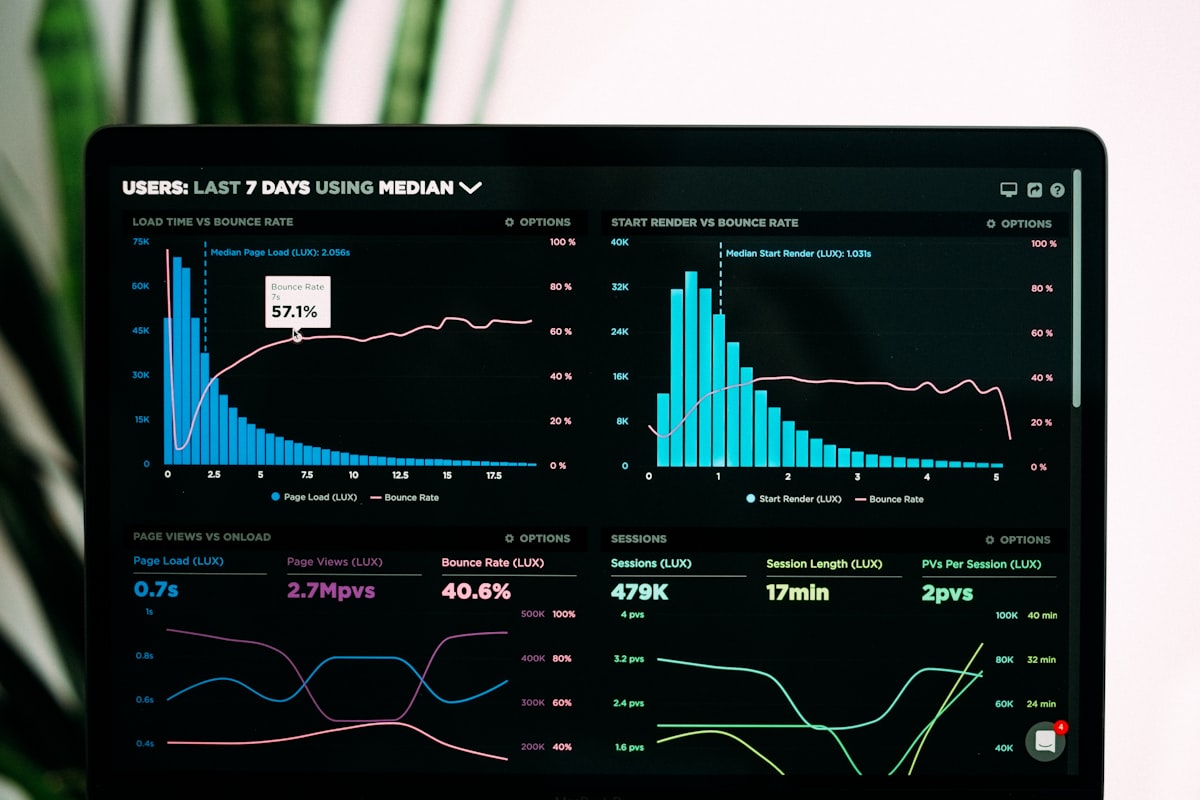
Gating pricing behind “contact us” makes sense for enterprise deals, but most early-stage buyers will simply leave rather than book a call to find out if your product fits their budget. If self-serve signup is part of your model, pricing needs to be visible.
3. Too Many Competing Calls to Action
A homepage with “Start Free Trial,” “Book a Demo,” “Watch Video,” and “Contact Sales” all fighting for attention gives visitors decision fatigue instead of a clear next step. Pick one primary action per page and make everything else secondary, visually and in priority.
4. No Proof Above the Fold
Visitors are skeptical by default. Logos, a real metric, or a short testimonial near the top of the page does more to build trust than another paragraph explaining your features. If you don’t have logos yet, a specific result or number works just as well.
5. Slow Load Times From Heavy Assets
A beautiful hero video that takes four seconds to load loses visitors before they see it. Performance is a conversion feature, not a technical afterthought. This is one of the practical advantages of building in Framer: pages are fast by default if assets are handled correctly.

6. Mobile Is an Afterthought
A large share of first visits now happen on a phone. If your pricing table requires horizontal scrolling or your CTA button is too small to tap accurately, you’re losing a meaningful chunk of traffic before it ever converts. Mobile shouldn’t be a scaled-down desktop site; it needs its own pass.
7. The Site Never Gets Updated
A static site built once at launch and never touched again starts to drift from what the product actually does. Without a CMS or an easy way to update content, founders either stop updating the site or pay a developer every time copy needs to change. This is usually the highest-leverage fix: a site that’s easy to update gets updated, and a site that gets updated stays accurate.
The Pattern Behind All Seven
None of these are dramatic redesigns. They’re small, specific friction points that compound. Fixing even two or three of them is often enough to move a conversion rate meaningfully, which is why a focused audit tends to be more useful than a full rebuild for a site that’s fundamentally working but underperforming.
Need a new website or Template customization?
Share some info about your website or business and we will get back to you within one hour or less.

Book Intro Call
This quick call is a chance for us to learn more about your goals, answer any questions, and see how we can best support your project.
Istaiq Ahmed