
Why Startups Are Switching to Framer for Custom Web Design (And What to Expect From an Agency)

Quick answer
Startups are switching to Framer because it combines visual design freedom, fast publishing, CMS editing, and smooth animation without a traditional development handoff. For many SaaS and AI teams, that means launching and iterating faster.
Key takeaways
Framer reduces the design-to-launch gap.
CMS editing makes ongoing content updates easier.
A Framer agency should handle strategy, design, build, and responsive QA.
A few years ago, “custom website” almost always meant a WordPress build or a hand-coded site from a development shop. In 2026, a growing share of startups — especially SaaS and AI companies — are choosing Framer instead, and not just for the templates. Here’s why, and what it actually looks like to work with an agency that builds custom on Framer.
Why Framer, Specifically
Framer sits in an unusual spot: it has the visual design freedom of a tool like Figma, but it publishes to a real, fast, production-ready website — no separate handoff to a developer required. For startups, that collapses a process that used to involve a designer, a developer, and a lot of back-and-forth into a single workflow.
The practical benefits that matter most to founders:
Speed to launch. Because design and build happen in the same tool, there’s no handoff delay between “the design is approved” and “the site is live.”
Performance. Framer-built sites are generally fast out of the box, which matters for both user experience and search ranking.
Easy content updates. With CMS collections set up correctly, you can update blog posts, case studies, or pricing without touching design files or code.
Animation without a developer. Scroll effects, hover states, and page transitions that would normally require custom front-end code can be built visually.
What “Custom” Actually Means on Framer
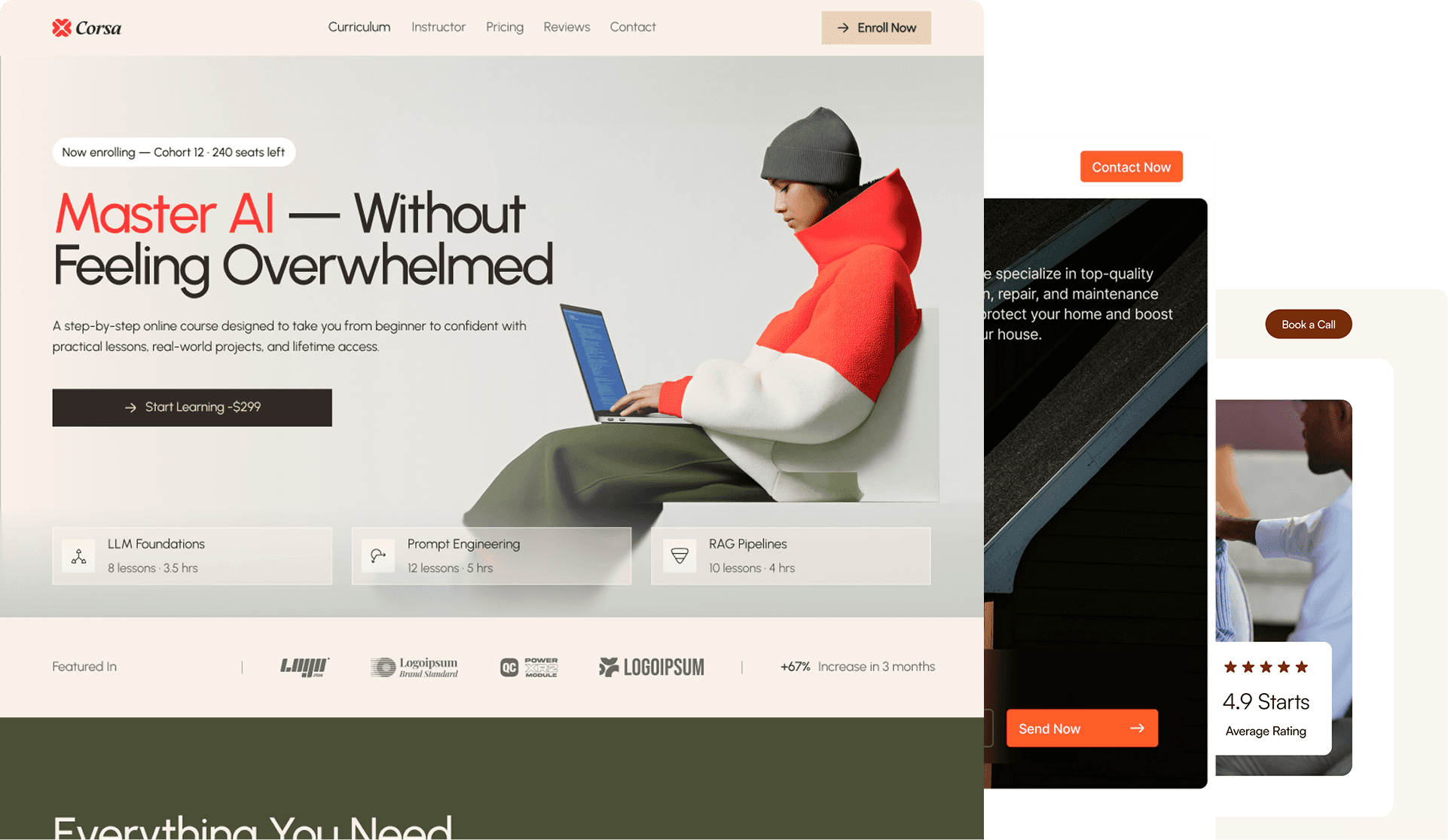
It’s worth being precise here, because “custom” gets used loosely. A custom Framer build means the site is designed from your brand and your product, not assembled from a pre-built template. Every section — hero, features, pricing, footer — is laid out specifically for your content and your conversion goals, rather than your content being fit into someone else’s pre-existing structure.
That doesn’t mean starting from a totally blank canvas every time. Agencies that work in Framer regularly build up their own internal component libraries — buttons, cards, navigation patterns — that get reused and restyled across projects. The difference from a public template is that those components are a starting toolkit for custom design, not a finished site you’re renting.
What to Expect From the Process
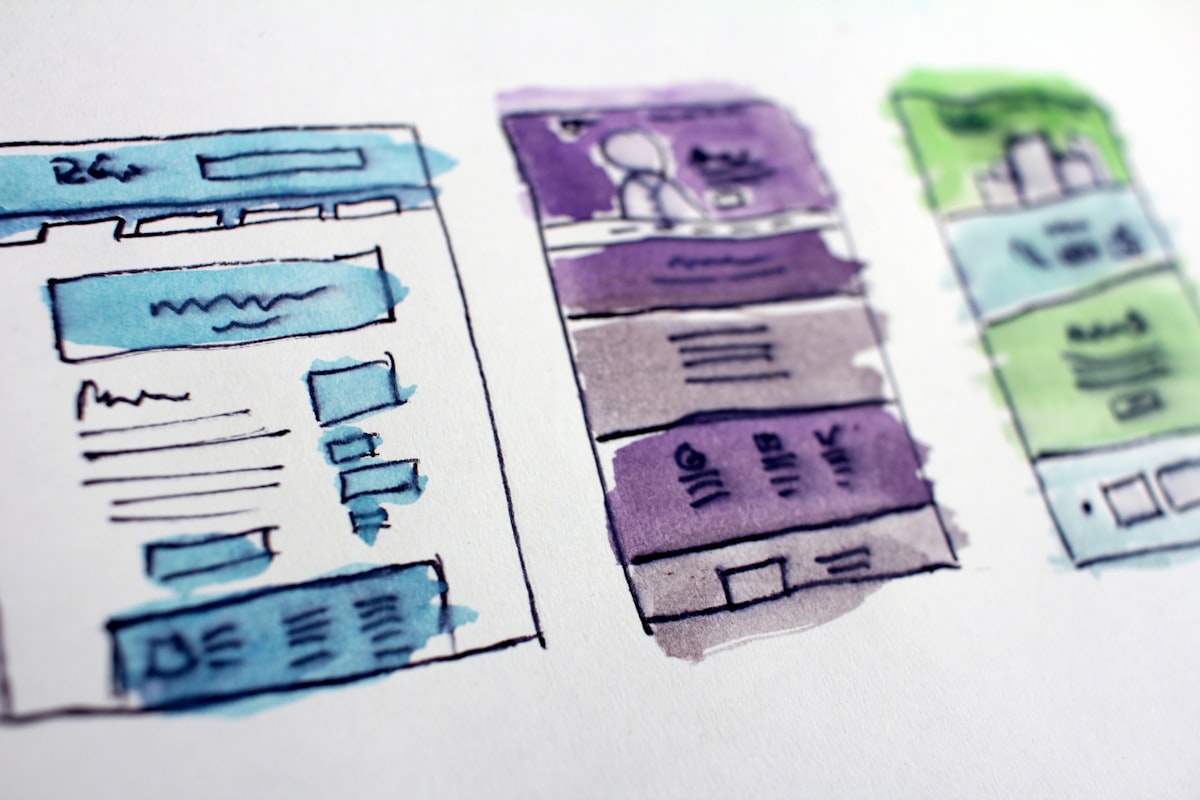
A typical custom Framer engagement runs through a few clear stages: an initial discovery conversation to understand your product and goals, wireframes to lock in structure before visual design begins, full visual design for your review, then build and CMS setup inside Framer, followed by a testing and revision pass before launch.
Most projects take one to two weeks depending on scope, though simple landing pages can move faster. The biggest factor in timeline is usually how quickly content and feedback come back from the client side, not the build itself.
Is It Right for Your Startup?
If you’re a SaaS or AI startup whose website needs to keep pace with a fast-moving product, and you want a site that’s fast, easy to update, and built specifically around how you actually convert visitors — Framer with a custom build is a strong fit. At EV Studio, this is the core of what we do: custom Framer and Webflow sites for startups who’ve outgrown what a template can offer, trusted by 20,000+ users worldwide.
If you’re still validating your idea and need something live this week, that’s a different conversation — and an honest agency should tell you that, rather than sell you a custom build you don’t need yet.
Need a new website or Template customization?
Share some info about your website or business and we will get back to you within one hour or less.

Book Intro Call
This quick call is a chance for us to learn more about your goals, answer any questions, and see how we can best support your project.
Istaiq Ahmed